
Why Should You Become A Dispatcher?
Deputies and officers in this video say it plainly: “our dispatchers are fantastic — we could not do what we do without them.” As a 9-1-1 telecommunicator at a sheriff’s office, police department, or communications center, you’ll answer both emergency and non-emergency calls from the public, gather the critical information first responders need to respond, and dispatch help using modern GPS-enabled systems. Dispatchers in this video describe receiving lifesaving awards for guiding callers through CPR — “you truly did help somebody and they’re here because of you.”
Take the first step into your new career. Give us your email and we’ll send you information about supporting hte law enforcement profession.
Dispatchers Have An Important Responsibility In The Communities They Serve.
They play a crucial role in emergency response, coordinating resources, and providing critical assistance during times of crisis. They think quickly and communicate effectively.
They make a difference in saving lives.
CORE QUALIFICATIONS
Below are the general requirements to become a Dispatcher or 9-1-1 telecommunicator in America. Specific requirements vary by state and by individual agency, so check the posting in your area for exact details.
All law enforcement agencies participating in Step Up & Serve are committed to Equal Opportunity Employment.
The Illinois Sheriffs’ Association does not make hiring decisions at any agency.
For a deeper look at what dispatchers actually do day-to-day, read our guide: What Does a 9-1-1 Dispatcher Do? A Realistic Look at the Job →
Training and academy.
Most 9-1-1 telecommunicators are trained on the job under standards set by their state’s emergency communications authority. Initial training is typically 6 to 12 weeks of structured one-on-one with a senior dispatcher, followed by a probationary period. Your agency pays you throughout.
You’ll earn certifications in CPR-Telephonic Instructions (T-CPR), Emergency Medical Dispatch (EMD), and the national criminal-history and warrant query systems (NCIC, and your state’s equivalent). Many agencies also certify in Emergency Police Dispatch (EPD) and Emergency Fire Dispatch (EFD).
What it pays.
Pay for 9-1-1 telecommunicators varies by state and agency. As of May 2024, the U.S. Bureau of Labor Statistics reported a median annual wage of $50,840 for Public Safety Telecommunicators, with the top 10% earning over $77,000. Larger metropolitan agencies typically pay more; rural agencies pay less but often offer faster paths to senior dispatcher roles.
Most agencies include defined-benefit pension coverage, health and life insurance, paid on-the-job training, shift differentials, and overtime.
Common questions about becoming a 9-1-1 dispatcher
What does a 9-1-1 dispatcher actually do?
Dispatchers are the true first responder — the calm voice guiding a caller through their worst moment while sending help, keeping officers safe on radio, and coordinating everything in between. Watch: Step Up & Serve: Dispatchers — The Lifeline of Law Enforcement →.
Why do dispatchers call themselves the lifeline?
Because they are. Every emergency starts and ends with dispatch — locating the caller, sending the right resources, and staying on the line until help arrives. Watch: Behind the Scenes: The Lifeline of Emergency Service →.
Do I need law enforcement experience to become a dispatcher?
No. Agencies hire dispatchers from every background and train you fully — from radio procedure to call-taking to CPR-over-the-phone. Composure and clear communication matter far more than a resume.
What kinds of calls do dispatchers handle?
Everything. Traffic crashes, medical emergencies, missing kids, welfare checks, in-progress crimes — and the many calls where someone just needs a human to help them figure out what to do next. Watch: Step Up & Serve — Why I Answer the Call (Dispatchers) →.
What is the hardest part of dispatching?
The unknown outcomes. You take the call, you send the help, and then you rarely hear how it ended. Dispatchers describe learning to trust their training and their team through those quiet moments. Watch: Step Up & Serve: Dispatchers — The Lifeline of Law Enforcement →.
What makes dispatch a great long-term career?
Impact from a seat you never have to leave, a tight team culture, strong benefits, and shift options that fit real life. The job stays interesting because no two calls are the same. Watch: Behind the Scenes: The Lifeline of Emergency Service →.
More voices from the field
See all voices →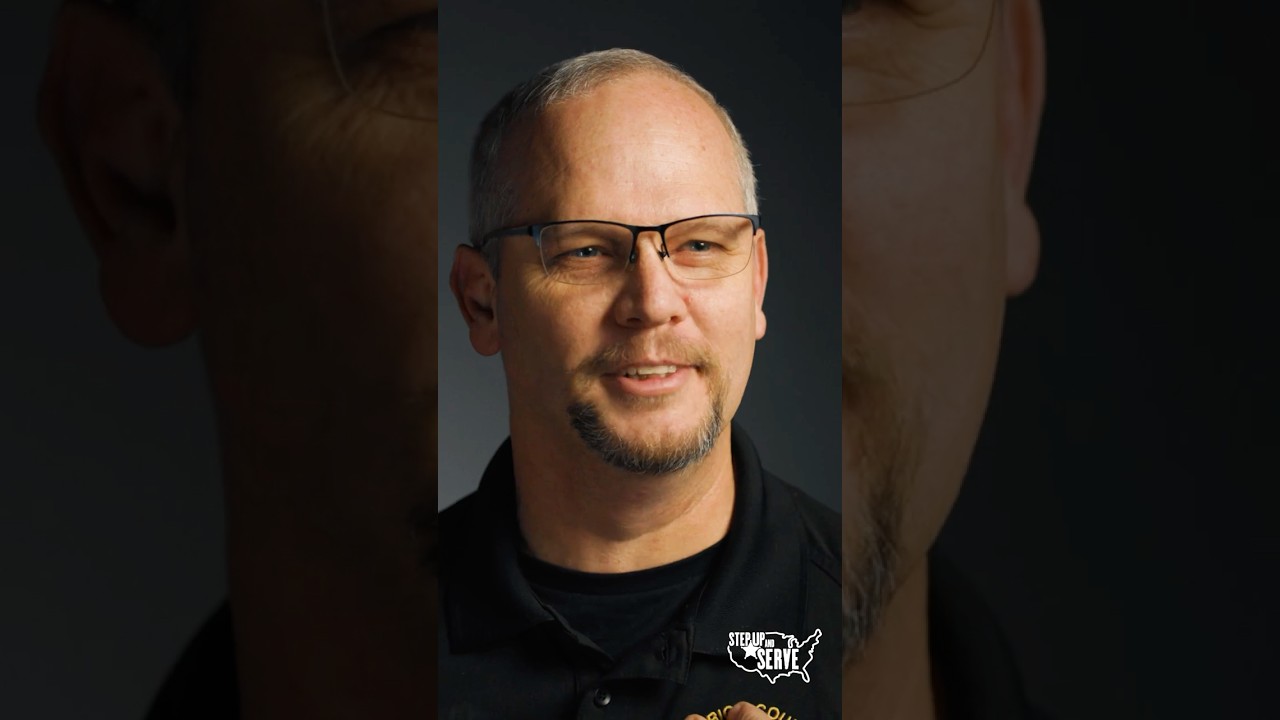

View video transcript
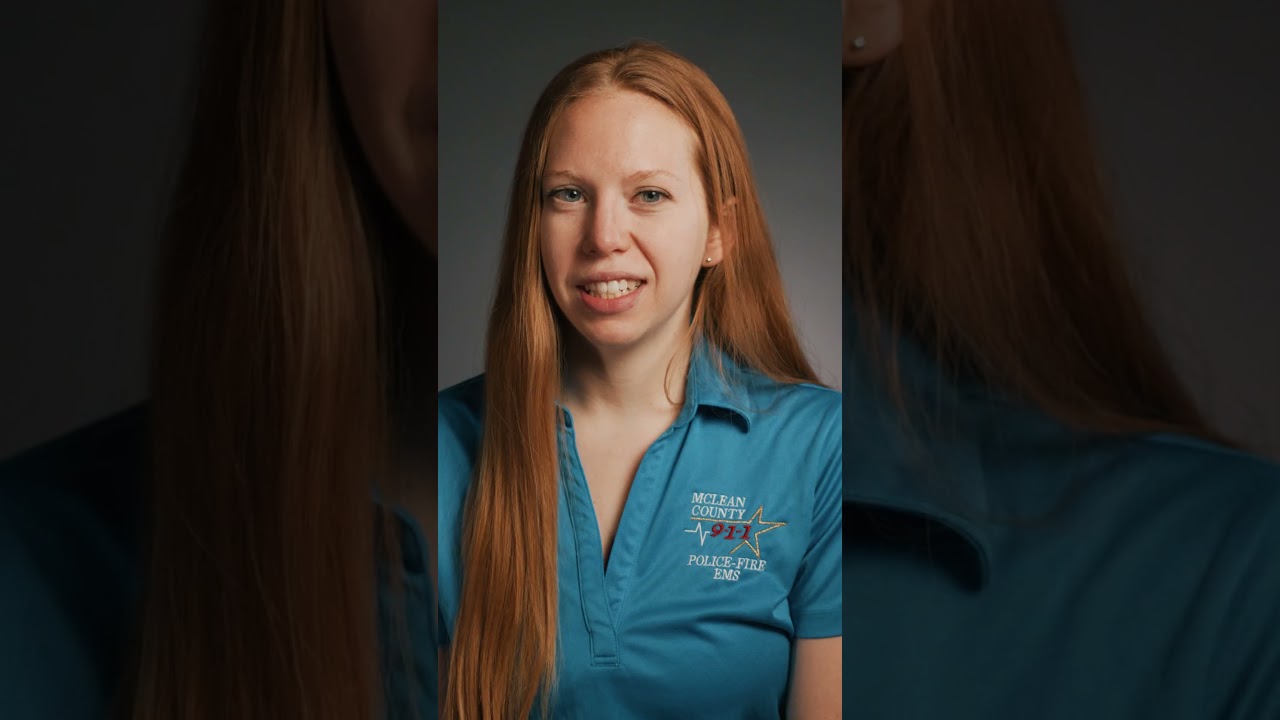
There are a lot of people who are dispatchers who are not cut out to, you know, be there in the moment, but they still want to help and you can, you do actually help. Dispatch is definitely an integral part of this job our dispatchers are fantastic we could not do what we do without them. Dispatchers answer both emergency and non-emergency calls from the.
Public they take the information, provide the information to whoever needs to, to respond to that call they try to get a, a clear understanding of what’s going on before we get there and that can really save our lives with new technology and new acclamations GPS, they are absolutely on their game. I actually did get a lifesaving award where I was able to instruct the caller to start CPR.
Being able to think of that moment, it makes it worth it knowing that you truly did help somebody and they’re here because of you we do provide answers, resources, even if it’s not something we provide, we can direct them to where they can get that help the dedication from the dispatchers. I appreciate everything that they do if it.
Sounds like an interesting job to you apply, you might surprise yourself and how well that you do in this role start a career that you could really be proud of. I hope you join the team. I hope you join the team and step. Up and serve step up and serve. It’s a wonderful profession to be a part of and to help your community.
“We could not do what we do without them.”
“Dispatch is definitely an integral part of this job. We could not do what we do without them.”
“I was able to instruct the caller to start CPR. They are here because of you.”