Lifesaving Moments
When the work saves a life — and what that does to the people who do it.
Concrete stories of CPR over the radio, response times that mattered, and the calls that stay with you.


Common Questions
Quick answers drawn from the voices on this page.
Do officers actually save lives on the job?
Yes — and the seconds matter. In one shift, a deputy responded to a call before dispatch: "Over the radio, a three-month-old was choking, turning blue… Got there, started doing CPR and back blows. And if I would've been a minute later, that kid would've passed away." Watch: Seconds Matter: Saving a Life with CPR on a Shift →.
What kind of lifesaving does law enforcement do that people don't expect?
Beyond emergencies, it's the everyday triage — dispatchers giving CPR instructions over the phone, deputies performing back blows, corrections officers de-escalating a mental-health crisis. The moment is often measured in seconds, not minutes.
How do officers prepare for lifesaving moments?
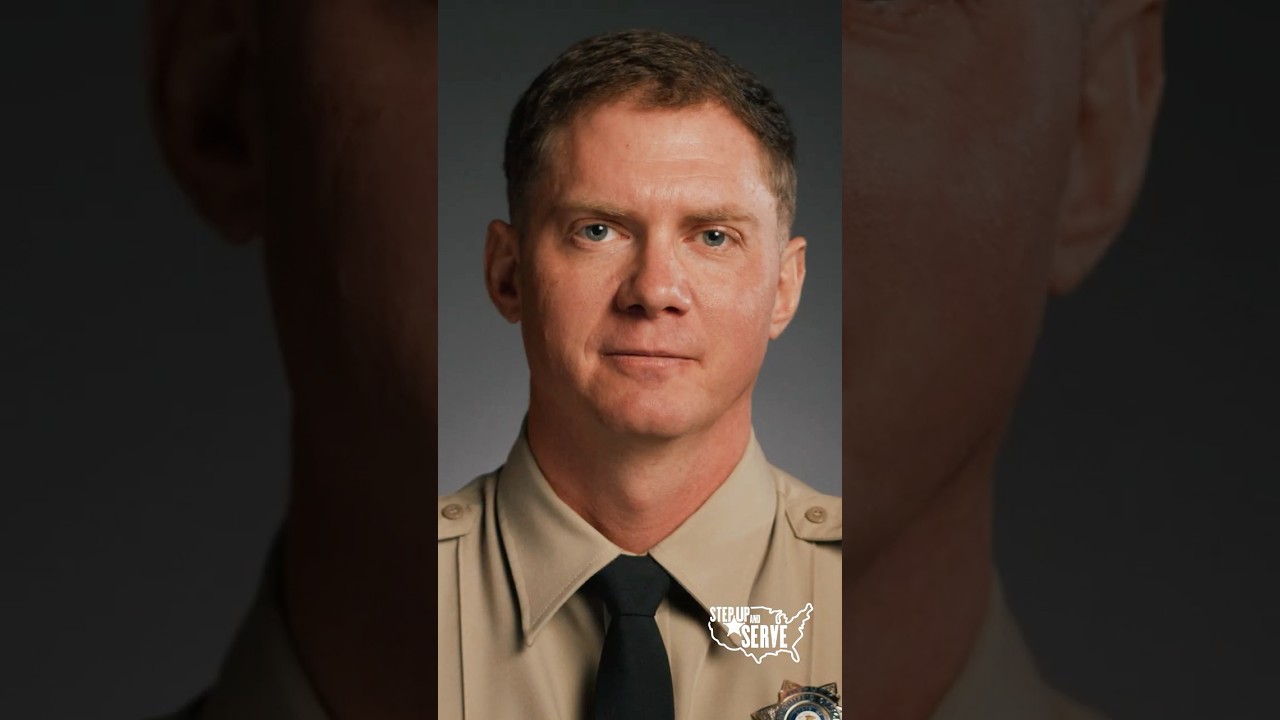
Training is constant but the muscle memory is what shows up. Kyle White credits his baby daughter for making him step into the CPR call: "I've got a baby myself, and stepping up to that point, you're taking that extra step and you're making that commitment to the community to better it." Watch: Seconds Matter: Saving a Life with CPR on a Shift →
Do dispatchers count as lifesavers even though they aren't on scene?
Absolutely. In the Illinois model, dispatchers deliver pre-arrival medical instructions — CPR, choking response, active-shooter protocol — while units are still en route. Officers on scene routinely credit the calm voice on the radio for keeping victims alive until help arrives.
How do officers prepare for the seconds that matter?
Constant training and muscle memory. When a CPR call comes in, officers describe not thinking — just doing what they've practiced hundreds of times. Watch: Seconds Matter: Saving a Life with CPR on a Shift →.
What do officers remember most from lifesaving calls?
Not the medal or the news — the family. Officers describe the parents' faces and the follow-up notes long after the shift ended. Watch: The Benefits of Serving: Bringing Closure to Victims →.

Full transcripts
Every voice on this page, in their own words.
Transcript: Step Up & Serve — Why I Wear the Badge (Officers & Deputies)
The biggest compliments that I ever get is kids saying they wanna be just like me when they grow up and I tell them, it is an amazing job. I love my job you know, I wouldn't trade it for the world. I started out on different career path and realized that was not what I wanted to be doing. I enjoyed the outdoors. I enjoyed an active lifestyle, so something more than just business worth sitting behind a desk it really wasn't fitting for me. Paid the bills. Talking to being a a law enforcement, serving the community is the best part of this. Job. I responded to emergency calls, my best battery calls, treble calls, calls for service. It's something that I loved. There can be definitely tough days, but it's super, super rewarding. We're stepping up and saying, I'm gonna do everything I can to bring about a positive change. Over the radio. A three month old was choking, turning blue. I saw it pop up on the CAD before I was even dispatched, got there, started doing CPR and back close, and if I would've been a minute later, that kid would've passed away so to me, I mean, saving a three months old life is, it's, it's key it was one time where it was a couple and they had two kids they were being kicked out of the house by some other family members, and we actually all came up with enough money, put this family in a hotel, and I think about three or four months later, he's like, man, what you guys did for me really changed my life you know, you can see the difference that you make. There's two types of people in the world, one that darkens the room when they walk in, and one that lightens the room and then when I walk in. I meet people at sometimes when they're at their worst, I'm there to help them. Regardless. Whether you're working on the street, you're working in investigations, you're working in a drug unit, K nine bomb SWAT negotiations team we have so many different opportunities because there's always potential to move. Up at the end of the day, you know that you made a difference going to work that day, and sometimes you may have saved a life the biggest benefit of serving the community is just being part of something that's bigger than yourself. Go to your local agencies and do ride alongs. I've always had it in the back of my mind. I knew I, this is what I wanted to do. I hope you join the team and step up and serve step up and serve step up and serve with your heart, with your mind that is what we need in law enforcement every day, 24 7.
Transcript: Step Up & Serve — Why I Answer the Call (Dispatchers)
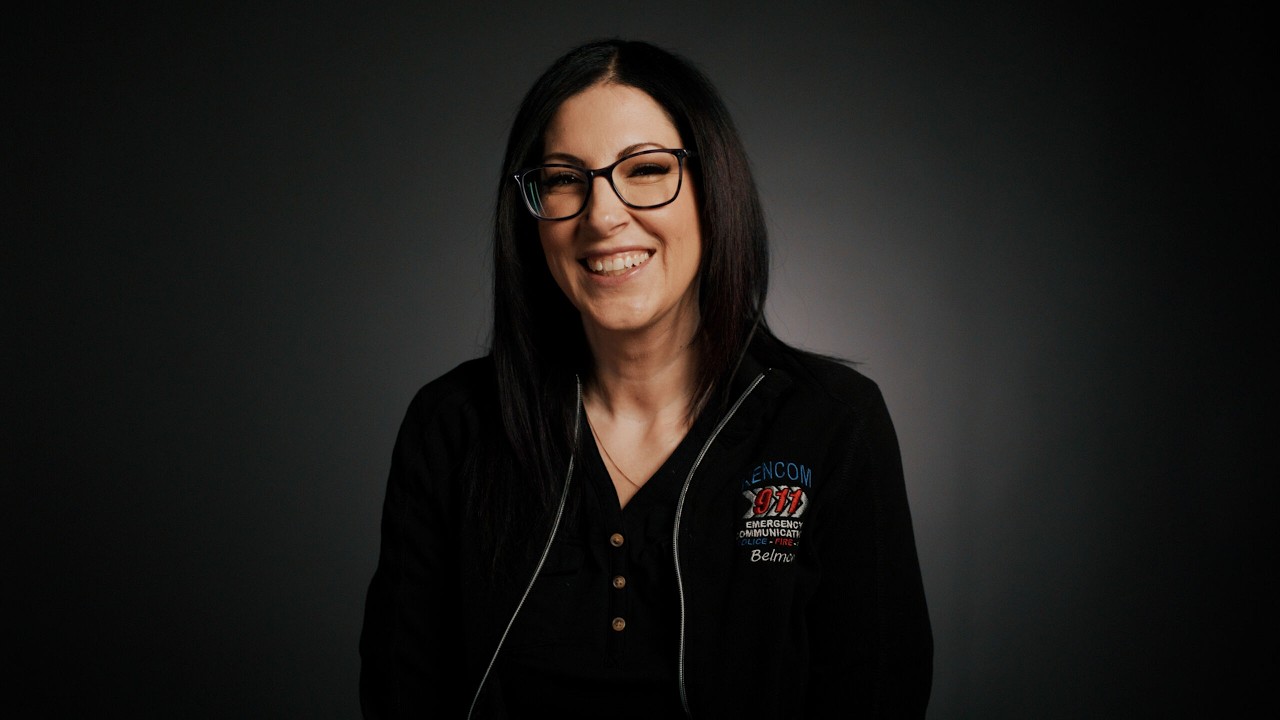
There are a lot of people who are dispatchers who are not cut out to, you know, be there in the moment, but they still want to help and you can, you do actually help. Dispatch is definitely an integral part of this job our dispatchers are fantastic we could not do what we do without them. Dispatchers answer both emergency and non-emergency calls from the. Public they take the information, provide the information to whoever needs to, to respond to that call they try to get a, a clear understanding of what's going on before we get there and that can really save our lives with new technology and new acclamations GPS, they are absolutely on their game. I actually did get a lifesaving award where I was able to instruct the caller to start CPR. Being able to think of that moment, it makes it worth it knowing that you truly did help somebody and they're here because of you we do provide answers, resources, even if it's not something we provide, we can direct them to where they can get that help the dedication from the dispatchers. I appreciate everything that they do if it. Sounds like an interesting job to you apply, you might surprise yourself and how well that you do in this role start a career that you could really be proud of. I hope you join the team. I hope you join the team and step. Up and serve step up and serve. It's a wonderful profession to be a part of and to help your community.
Transcript: The Moment I Knew I Had to Serve
The biggest compliments that I ever get is kids saying they wanna be just like me when they grow up and I tell them, it is an amazing job. I love my job. You know, I wouldn't trade it for the world. I started out in different career path and realized that was not what I wanted to be doing. I enjoyed. Something more than just business worth sitting behind a desk. I actually got stopped by a Illinois state trooper. You never would've thought Trooper would talk into being a a law enforcement. Serving. The community is the best part of this job. We're stepping up and saying, I'm gonna do everything I can to bring about a positive change. It's something that I loved. There can be definitely tough days, but it's super, super rewarding. And sometimes you might have saved a life. Over the radio. A three month old was choking, turning blue. I saw it pop up on the CAD before I was even dispatched, and if I would've been a minute later, that kid would've passed away. You. Know, you can see the difference that you make. Whether. You're working on the street, you're working in investigations, you're working in a drug unit, K nine bomb SWAT negotiations team. We have. So many different opportunities. I hope you join the team and step up and serve. Step. Up and serve. Step up and serve with your heart, with your mind. That is what we need in law enforcement every day, 24 7.
Transcript: Step Up & Serve: Dispatchers — The Lifeline of Law Enforcement
There are a lot of people who are dispatchers who are not cut out to, you know, be there in the moment, but they still want to help and you can, you do actually help. Dispatch is definitely an integral part of this job. We could not do what we do without them. Dispatchers answer both emergency and non-emergency calls from the public. They take the information, provide the information to whoever needs to, to respond to that call. They try to get a, a clear understanding of what's going on before we get there and that can really save our lives. With new technology and new acclamations GPS, they are absolutely on their game. I actually did get a lifesaving award where I was able to instruct the caller to start CPR. Being able to think of that moment, it makes it worth it knowing that you truly did help somebody and they're here because of you. We do provide answers, resources, even if it's not something we provide, we can direct them to where they can get that help. The dedication from the dispatchers. I appreciate everything that they do. If it sounds like an interesting job to you apply. Start a career that you could really be proud of. I hope. You join the team. I hope you join the team and step. Up. And serve. Step up and serve. It's a wonderful profession to be a part of and to help your community.
Transcript: Seconds Matter: Saving a Life with CPR on a Shift
Over the radio, a three-month-old was choking, turning blue. Formula he was drinking, it was all coagulating in his throat, couldn't breathe. I saw it pop up on the CAD before I was even dispatched. Got there, started doing CPR and back blows. And if I would've been a minute later, that kid would've passed away. So to me, I mean, saving a three-month-old's life is, it's, it's key. I've got a baby myself, and stepping up to that point, you're taking that extra step and you're making that commitment to the community to better it. I hope you join the team and step up and serve.
Over the radio, a three-month-old was choking, turning blue.
Dispatch is definitely an integral part of this job. We could not do what we do without them.
I would have been a minute later, that kid would have passed away.
I was able to instruct the caller to start CPR. They are here because of you.
If I would have been a minute later, that kid would have passed away.